
Why the Next El Niño Could Break Records

Understanding El Niño?
El niño is a natural phenomenon that occurs when surface waters in the eastern and central Pacific Ocean become unusually warm. Think about it like this: The Pacific ocean acts like a heat engine for Earth, so when heat shifts during El niño, weather patterns shift globally.
This phenomenon is now even more important because the global climate is currently at a critical transitional point. As of May 2026, the El Niño-Southern Oscillation also known as ENSO is rapidly shifting from neutral conditions toward a significant El Niño event. This event, potentially reaching "Super El Niño" strength, is expected to combine with ongoing global warming to make 2026 the second-warmest year on record, with 2027 potentially surpassing all previous temperature records.
The Aftermath of 2023 - 2024: Billions of Damages
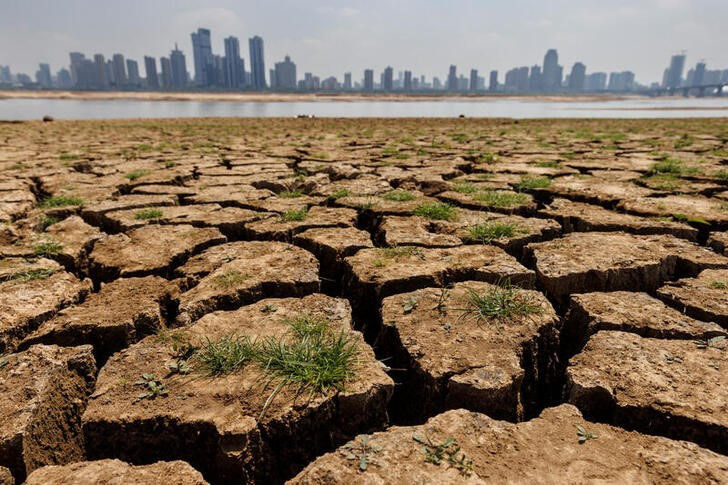
The upcoming 2026 event follows closely on the heels of the 2023–2024 El Niño, which was the fifth-most powerful in history. The 2023 event caused an estimated $103.3 billion in damages globally. Not only this, but it also contributed to 2024 becoming the first year to exceed 1.5°C and drove record-breaking wildfires, historic floods in Brazil, and severe droughts in East Africa and Asia. Based on these statistics, it’s safe to predict that the 2026-2027 El Niño is likely to predict a disruption in agriculture with several draughts disallowing growth of crops and in some extreme cases of what’s called, “Weather whiplash”, it may cause severe cyclones and catastrophic flooding.
Can We Stop it? the Science of a natural Phenomenon
Scientifically, there’s technically no way to prevent this since El Niño is a natural climate event and the physical scale of El Niño makes intervention currently impossible. However, we can be prepared for its effects by spreading awareness, and reducing the overall amount of pollution generated by individuals. As for what the governments are doing, International organizations like the World Meteorological Organization (WMO) and NOAA provide "El Niño Watches" to give governments months of lead time to prepare for potential flooding, wildfires, and agricultural shifts. Countries focus on managing the consequences rather than the event itself. For example, in 2023, the Indian government banned certain rice exports to ensure domestic food security in anticipation of El Niño-related drought.
Conclusion
El Niño is a powerful natural climate phenomenon that can affect weather, agriculture, economies, and human lives across the globe. With another major El Niño event expected in 2026–2027, its impacts may become even more severe due to ongoing global warming. Although scientists cannot prevent El Niño, countries and organizations can reduce its effects through preparation, early warnings, and sustainable environmental practices. Ultimately, the increasing intensity of these events highlights the importance of global cooperation and climate awareness in protecting communities and ensuring a safer future for the planet.
References:
Check out the news today! https://www.bbc.com/news/articles/c17jqp0xzpzo