
The UK’s new era of multi-party politics
What’s changed recently?
Historically, the UK has been a 2-party system: Conservatives versus Labour. Kinda like Starwars; blue versus red. Nowadays - despite Zack Polanski’s past as a hypnotherapist and Nigel Farage accepting a scandalous £5 million crypto gift - the Green Party, the Liberal Democrats and the Reform Party are threatening Conservative and Labour popularity. This gets us to where we are now. Labour and Conservative combined earned less than 40% of council seats* in the May 2026 local elections. So sit back, and let us give you a brief overview of the big 5 (UK political parties, not to be confused with wild safari animals).

The Labour Party, led by Keir Starmer:
Economic Strategy: Borrow less money, use strict fiscal rules to not overspend
Social Strategy: Increase available NHS appointments + hire more teachers
Environmental Strategy: Transition to clean energy, funded by windfall tax* on oil + gas companies
The Green Party, led by Zack Polanski:
Economic Strategy: Tax wealthy people’s assets + Increase minimum wage
Social Strategy: Dismantle nuclear weapons, Build social housing, Support mental health + Disability benefits
Environmental Strategy: Stop using fossil fuels and nuclear energy, Stop expanding airports, Spend 1% of GNI on international climate change development
The Liberal Democrats, led by Ed Davey:
Economic Strategy: Trade with EU, Invest in green infrastructure, funded by increased windfall tax on oil and gas companies
Social Strategy: Increase trained GPs, NHS staff + careworkers, Improve access to mental health support, Build social housing
Environmental Strategy: Investing into renewable energy, Fitting solar panel to houses, Spending 0.7% of GNI on international climate change development, Bring climate-friendly products into the market
The Conservative Party, led by Kemi Badenoch:
Economic Strategy: Cut welfare spending, Cut overseas spending, Cut business rates to boost economic growth
Social Strategy: Lower illegal immigration, Stopping diversity inclusion requirements for businesses, Removing interest rates on student loans, Removing Stamp Duty*
Environmental Strategy: Repeal climate change act, Drill oil and gas in the north sea
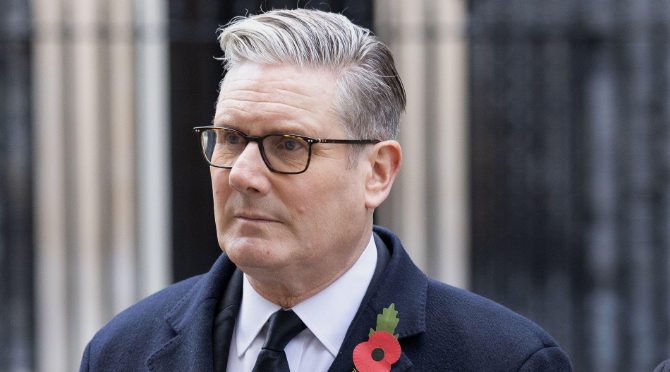
The Reform Party, led by Nigel Farage:
Economic Strategy: Cutting welfare benefits + foreign aid in order to lower taxes for farmers, businesses and families, Make the UK a leader in technological innovation
Social Strategy: Stopping illegal migrant boats + deporting illegal migrants, Restoring British police, Protecting free healthcare
Environmental strategy: Scrap net zero goals to lower energy bills
The new five-party era does however come with a few concerns. Proportional representation is being called upon as with parties receiving more similar numbers of votes, the current system that heavily rewards the winner is heavily disproportionate. Many also worry that UK politics is becoming more of a short-term media popularity contest, rather than parties actually solving the nation’s issues. Most of us don’t want our leaders becoming social media influencers.
So, which parties aim to protect our environment and prevent climate change?
The Green party or the Lib Dems might seem best - but tangibility shifts perspective. Reform sits at the bottom; aiming to scrap net zero - Nigel Farage may want warmer weather near his £1.4m house in Surrey, but that’s no excuse for climate change. The Green Party has extremely ambitious goals, which aren’t currently feasible if you consider economic stability. The Labour party has a good, balanced approach - but increasingly less people trust Keir Starmer’s promises.
Similarly, the Liberal Democrats have a good balance between economic growth and ambitious environmental goals - though not as worn-down as Labour. The Conservative Party favours economic growth and energy security - aiming to drill for gas in the North Sea. Whilst this steps the UK away from setting a global example, it could actually reduce carbon emissions - as the UK currently imports oil from overseas, causing a higher carbon footprint due to long-distance shipping.
It’s key to take into account the fact that to transition to clean energy, oil and gas is needed to keep the economy stable. Going forward, the government must balance environmental sustainability, economic stability and social sustainability.

*Council Seats - Local elected positions responsible for decisions on local services.
*Windfall tax - Tax on companies that make a suddenly large overflow of profit, often due to external events.
*Stamp Duty - Tax paid by house-buyers when purchasing property or land in the UK.
Sources:
Comments