
October 13th: International Disaster Risk Reduction Day
Whether it’s in watching the news, in geography class, in your own research, or perhaps even your own experience - you’ve almost certainly come across natural disasters before. Earthquakes, volcanoes, tsunamis, tornadoes, even avalanches are all prime examples of the term ‘natural disaster’. What you might not know is that over 100 million people are affected by them each year - and due to climate change, the number is increasing. This leads us to International Disaster Risk Reduction Day (IDDRR)- taking place on October 13th!
First off, let’s get behind why this day is so important. As the name suggests, natural disasters are relatively destructive. Whether it’s an earthquake causing Bangladeshi buildings to collapse, Indonesian volcanoes spewing lava onto villages or tornadoes sweeping away American houses, natural disasters cost billions of dollars and tens of thousands of deaths each year. Disaster risk reduction refers to the management of these disasters, so that their impact is smaller. In fact, there’s an entire UN office for disaster risk reduction!
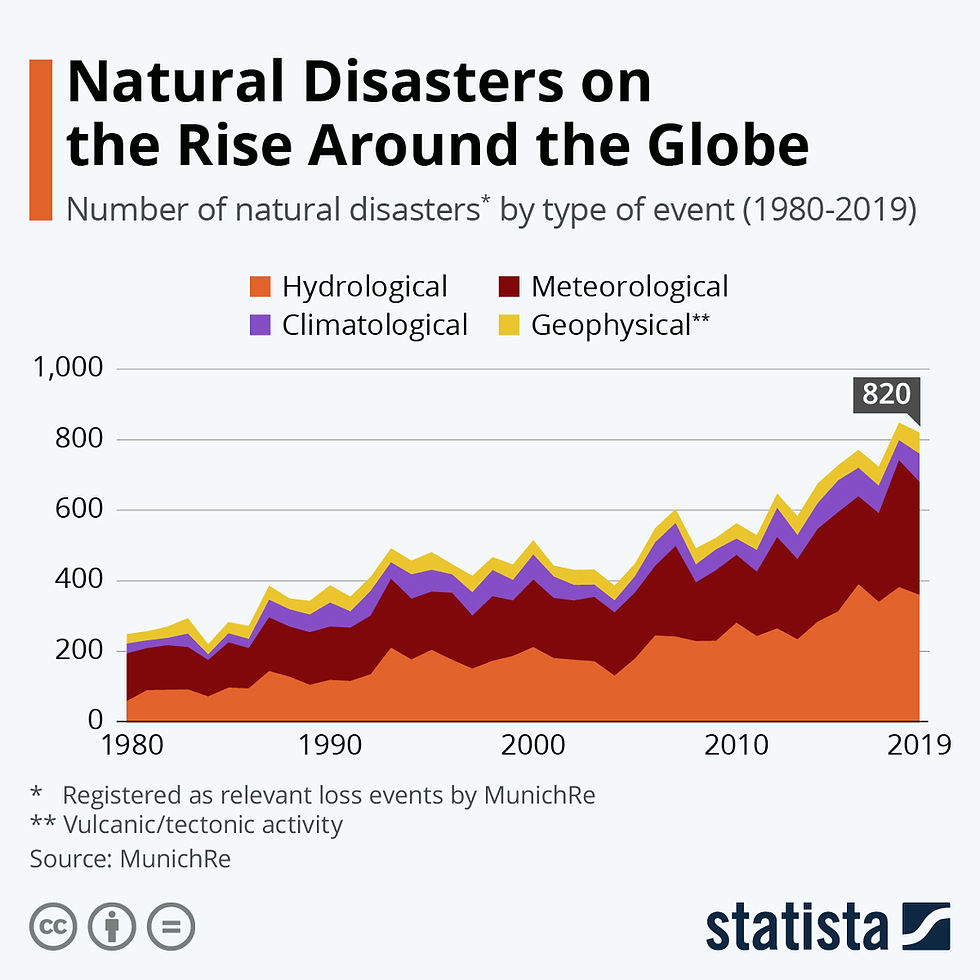
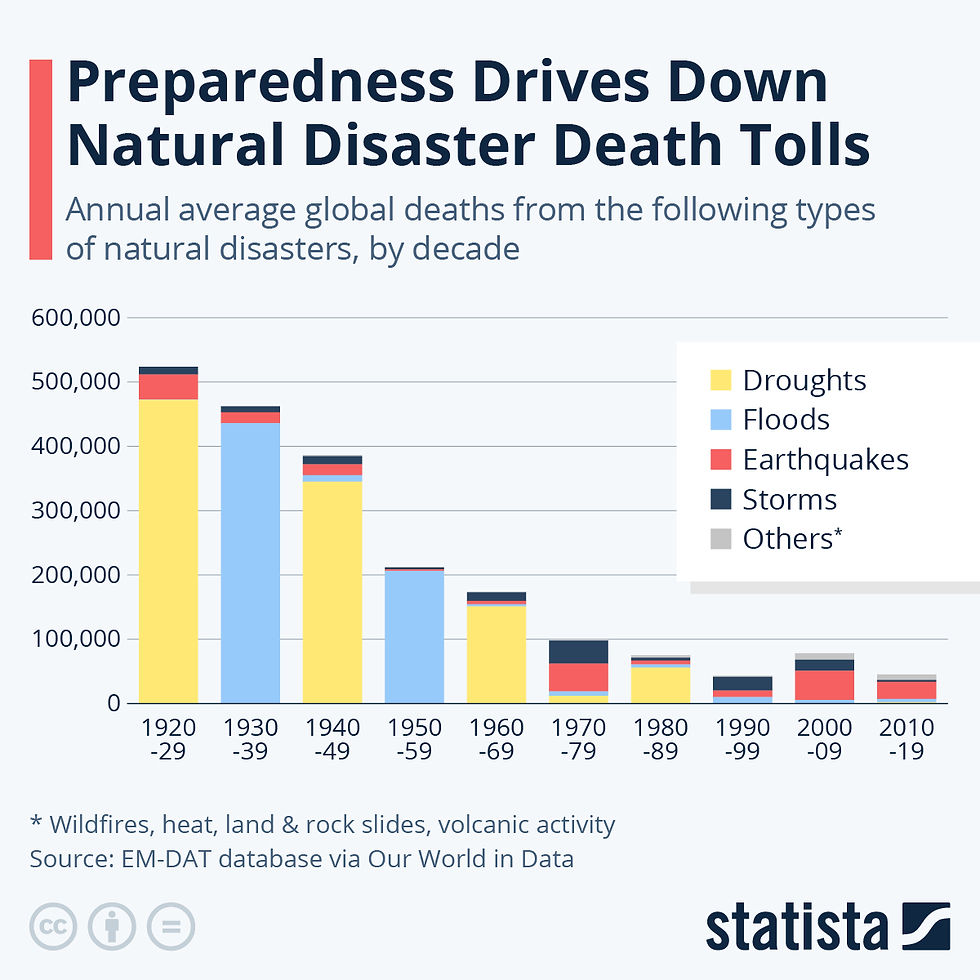
Whilst the number of deaths has thankfully decreased a lot in the past century, the frequency of natural disasters hasn’t followed quite the same pattern. There are four types of hazards - Hydrological, Meteorological, Climatological and Geophysical. Those are some pretty big words, but don’t worry, we’ll break them down for you to understand.
Geophysical hazards are mostly due to plate tectonics - think volcanoes, earthquakes, tsunamis. These are the least impacted by climate change. Hydrological hazards are hazards within the water cycle, like floods and mudslides. These are massively vulnerable to climate change - the warmer earth evaporates more water, taking it up into the clouds, and then dumps it down in huge rainfalls onto bone-dry ground. The ground doesn’t take in any of that water - resulting in an intense flood.
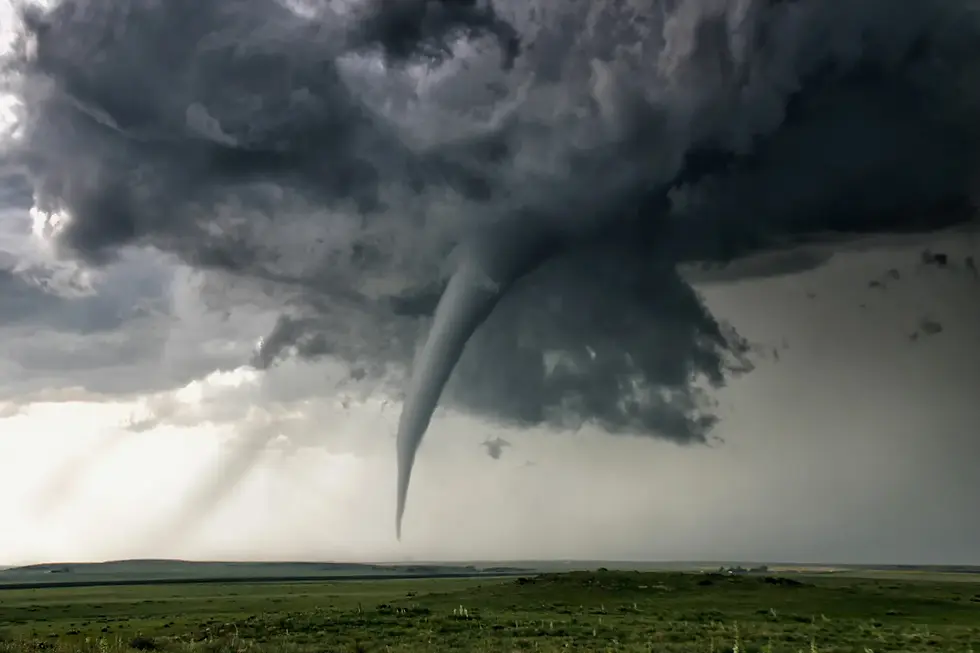
Climatological and meteorological hazards are relatively similar - both are caused by what goes on in the atmosphere. The key difference is that meteorological ones are more sudden - so cyclones, hurricanes and tornadoes - whilst climatological ones are slow and last longer, like droughts, wildfires and heatwaves.
So, with all these huge processes wreaking havoc, we humans have to find a way to get past them. IDDRR this year is focusing on homes and households. Raising awareness and hoping to implement policy, is it centralized around the development of homes that are resilient to disasters. “No one should have to choose between an affordable home and a safe one” is one of the key slogans this year. This will kill 2 birds with one stone - keep people safe, and reduce the cost of rebuilding.
So what does disaster risk reduction look like in practice? It’s seen in architecture, in geographical and spatial analysis using satellites, in careers - such as risk analysts, urban planners and humanitarian aid workers - in early warning systems and drones, and far more. Investing in reducing the initial risk is much cheaper than paying the final cost to repair. Injuries, deaths, disease outbreak and displacement are just a few of the devastating impacts. Disaster risk reduction is crucial to keep our communities safe.
Sources:
Really clear and interesting.